

How Can Myofascial Release Help Your Pain and Movement in Calgary?
Fascia is the web of connective tissue that surrounds and supports your muscles, joints, nerves, and organs. When this tissue becomes restricted — whether from repetitive movement, injury, prolonged posture, or the natural effects of aging — it can create discomfort, reduce your range of motion, and interfere with how you move and feel throughout the day.
Myofascial release is a hands-on manual therapy technique used by physiotherapists to gently work through these restrictions. At Maximum Potential Physiotherapy in Calgary, this approach is woven into a broader, individualized physiotherapy plan that may also include exercise therapy, education, and other evidence-informed techniques — so that results extend well beyond the treatment table.
Our clinic serves patients from across Calgary, including communities in the northwest and surrounding neighbourhoods. Same-day appointments may be available, and we offer direct billing to many extended health benefit providers.
Reviews From Our Happy Patients
Hear firsthand how we've made a difference in our patients' lives!
What Is Myofascial Release and How Does It Work?
Myofascial release involves applying careful, sustained pressure to areas of restriction within the myofascial system — the combined network of muscle and fascial tissue. By holding gentle, focused pressure, your physiotherapist encourages the tissue to soften, lengthen, and release, allowing your muscles and joints to move with greater freedom and less discomfort.
Your physiotherapist may draw on two broad approaches:
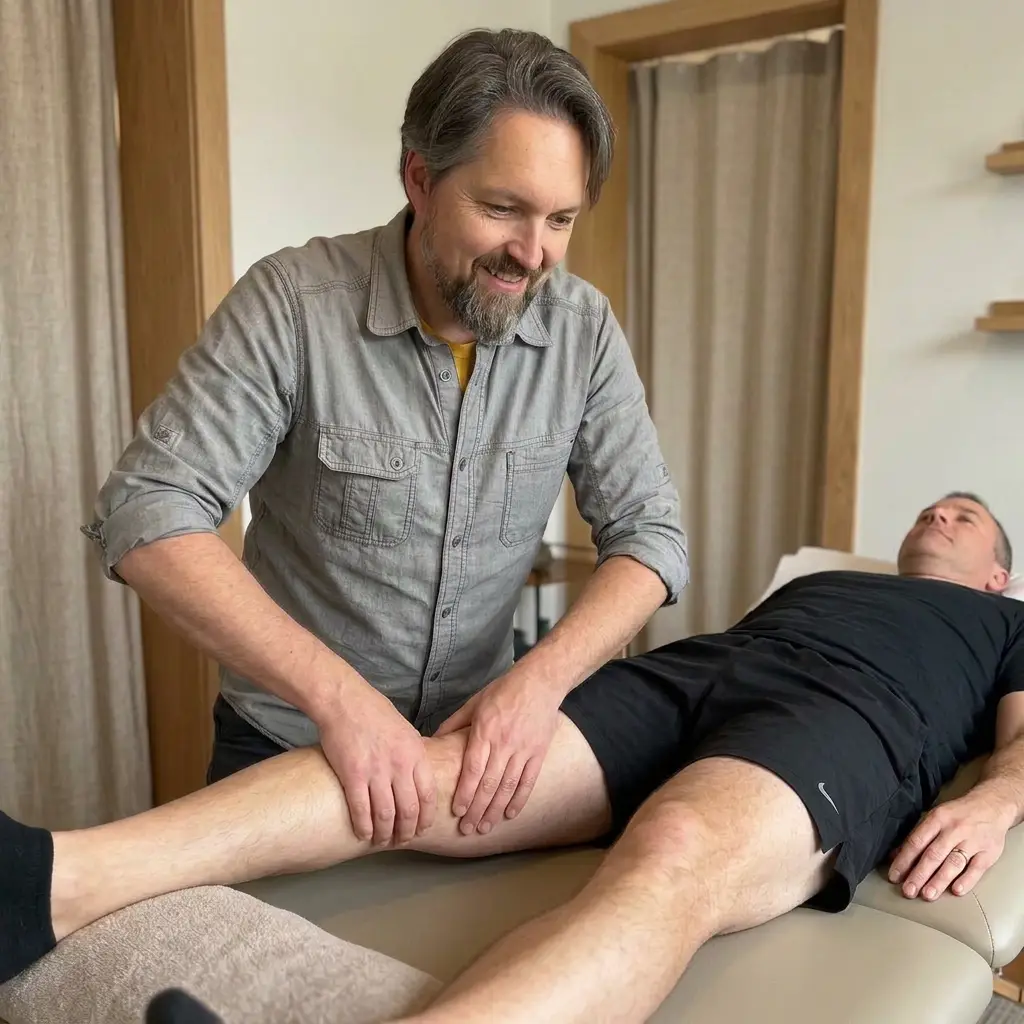
Unlike general soft tissue massage, myofascial release is specifically directed at fascial restrictions and trigger points that may be driving persistent pain or movement limitations. At Maximum Potential Physiotherapy, your physiotherapist will assess your movement and symptoms first, then explain how myofascial release fits into the bigger picture of your rehabilitation.
Conditions That May Benefit From Myofascial Release
Myofascial release can be incorporated into physiotherapy treatment plans for a wide variety of musculoskeletal concerns. Whether you are an active young adult, a weekend warrior, a desk worker managing chronic discomfort, or someone recovering from surgery or a motor vehicle collision, your physiotherapist will assess whether this technique suits your situation.
Conditions where myofascial release may form part of your care include:
Your Calgary physiotherapist will confirm whether myofascial release is appropriate for your condition and explain how it will be integrated with other elements of your care.
How Is Myofascial Release Different From Regular Massage?
Patients often wonder how myofascial release relates to massage therapy, since both involve hands-on soft tissue work. While there is some overlap, the intent, application, and clinical context differ in important ways.
If you are unsure whether myofascial release, massage therapy, or another approach is right for you, our Calgary team can help you understand which options align with your current condition and goals during your initial assessment.
How to Prepare for Your Myofascial Release Session
A little preparation before your appointment at our Calgary clinic helps ensure you get the most out of your session from the very first visit.
- Clothing: Wear or bring comfortable, loose-fitting clothing that allows your physiotherapist to access areas such as your neck, shoulders, back, hips, and legs easily. Shorts and a T-shirt or tank top are often ideal.
- Health information: Bring a list of your current medications, any relevant imaging results (X-rays, MRI reports), and information about past injuries, surgeries, or medical conditions.
- Your goals: Think about which activities or movements are most important to you — whether that is returning to running, managing discomfort at work, or keeping up with recreational sport.
- Hydration: Arriving well-hydrated and avoiding a very heavy meal right before your appointment helps you feel comfortable throughout the session.
- Timing: Arriving a few minutes early allows you to complete any intake paperwork and ask your physiotherapist any questions before treatment begins.
If you have specific concerns about your first visit, do not hesitate to call our Calgary clinic — we are happy to walk you through what to expect.
What to Expect During Your Myofascial Release Appointment
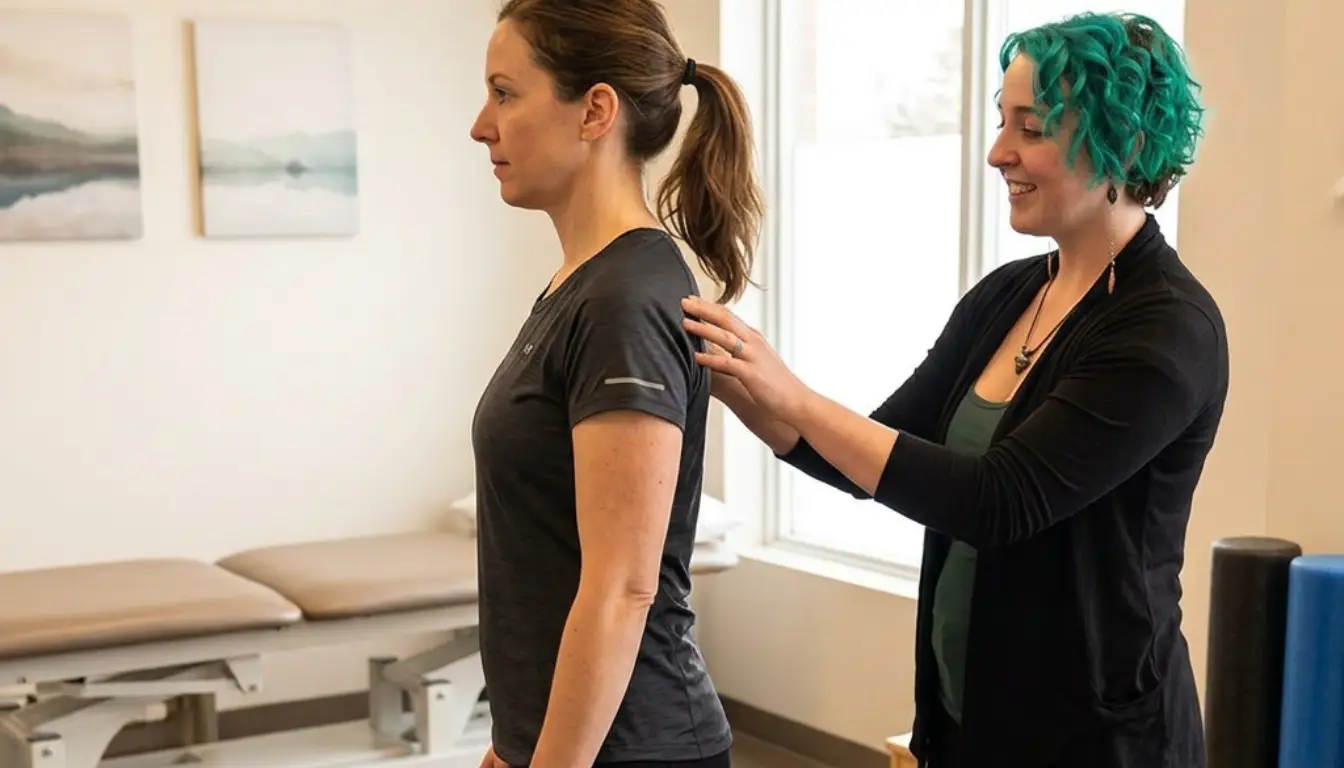
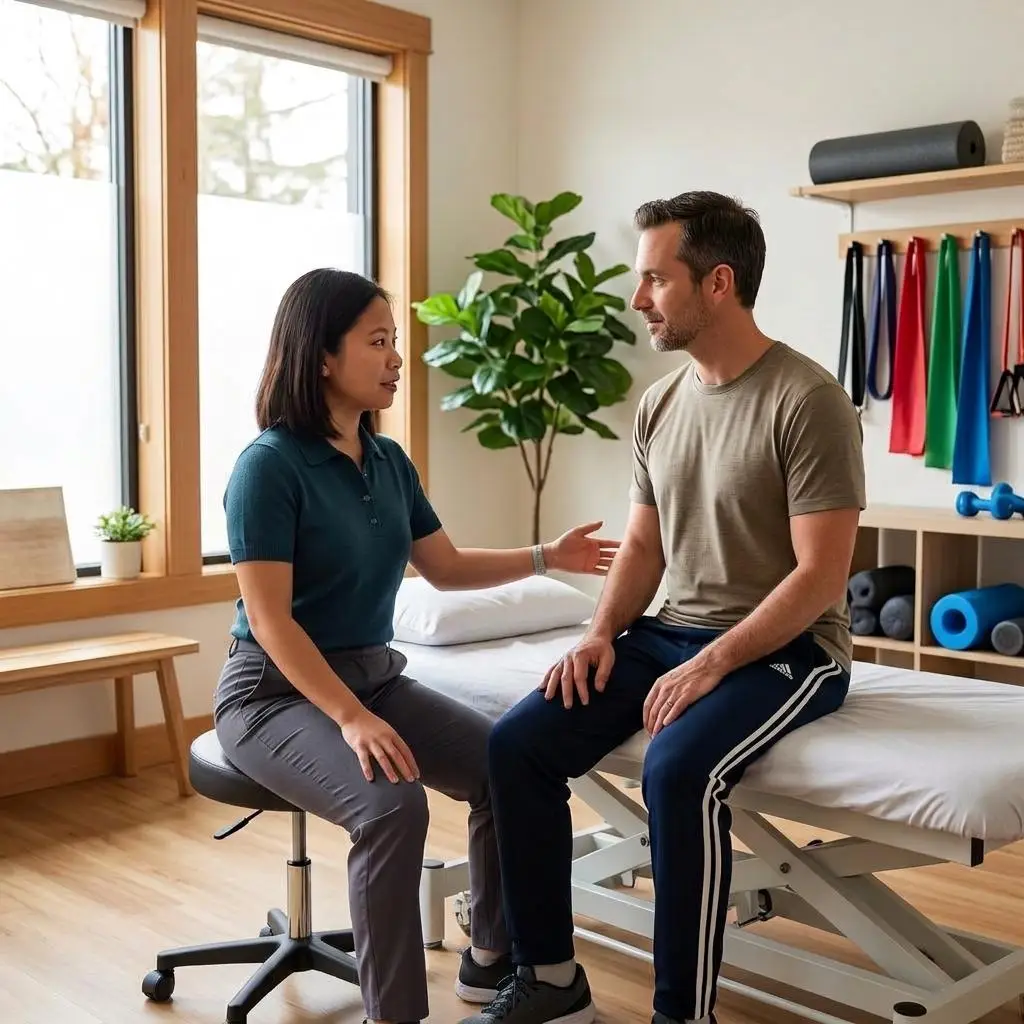
Your first appointment at Maximum Potential Physiotherapy begins with a thorough physiotherapy assessment. Your physiotherapist will take time to understand your symptom history, lifestyle, activity levels, and recovery goals. A physical examination of your posture, movement, and areas of tenderness or restriction will follow.
If myofascial release is appropriate, your physiotherapist will walk you through the treatment process, including which tissues will be targeted and why. During the session, you can expect:
Sessions typically run 30–60 minutes. Some patients notice a brief increase in local soreness following treatment, often giving way to a sense of improved ease and mobility within 24–48 hours. Your physiotherapist will also provide guidance on home exercises and strategies to support your progress between visits.
The number of appointments needed varies depending on your condition, how long symptoms have been present, and how you respond to treatment. Your physiotherapist will review this with you as your plan progresses.
What to Do After Your Myofascial Release Session
How you feel after a myofascial release session can vary. Some patients leave feeling noticeably lighter and more mobile right away. Others may notice mild tenderness in treated areas for a day or two — a normal response that typically resolves as your body adapts to the changes in tissue tension.
General aftercare guidance from your physiotherapist may include:
- Stay hydrated: Drinking water in the hours following your appointment supports tissue recovery and overall circulation.
- Keep moving gently: Light walking or easy stretching as recommended by your physiotherapist helps maintain the mobility gains from your session.
- Follow activity guidance: Your physiotherapist may suggest temporarily modifying certain work tasks, exercises, or sport activities based on your response to treatment.
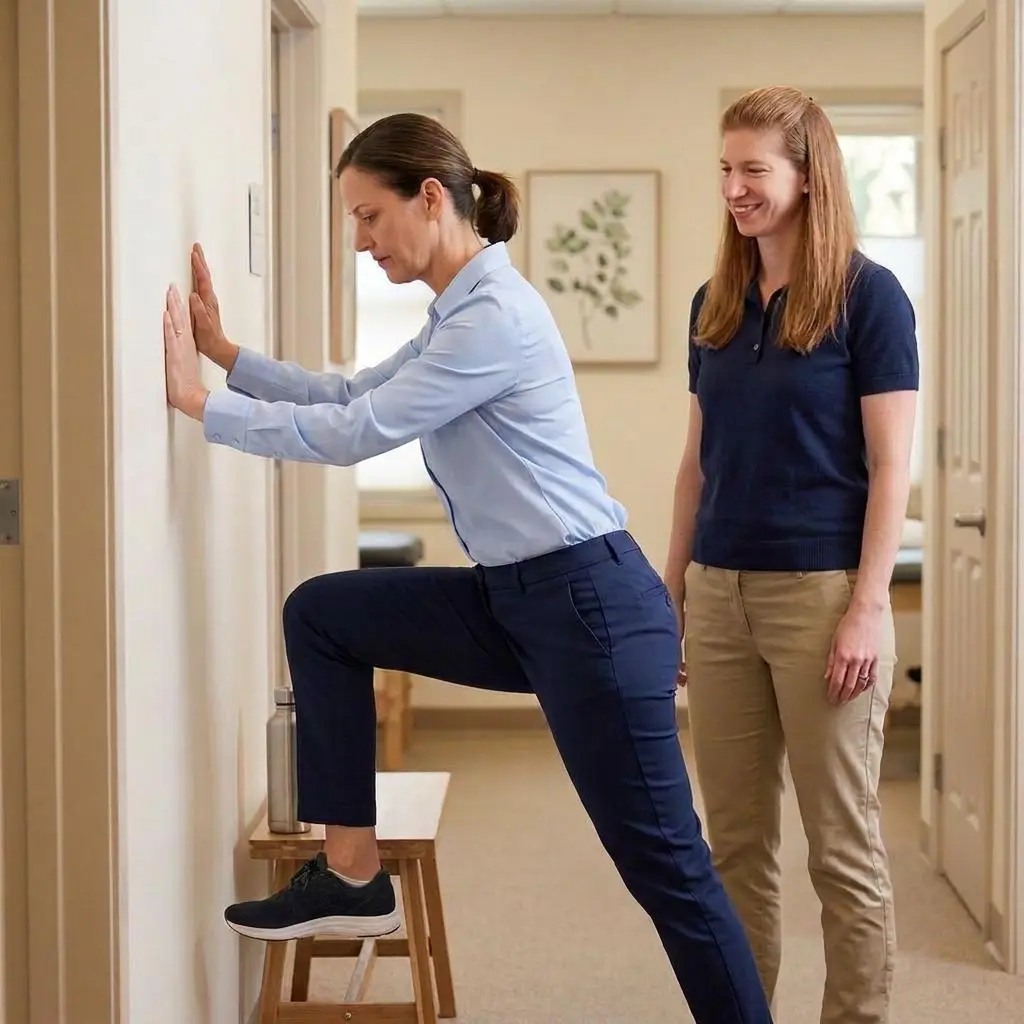
- Home exercises and strategies: Continue with any prescribed home exercises, self-release techniques, or posture modifications to support your progress between appointments.
If anything you experience after treatment feels unexpected or you have questions about your recovery, reach out to our Calgary clinic and speak directly with your physiotherapist.
Who May Not Be Suited to Myofascial Release?
Myofascial release is a gentle technique, but it is not appropriate for every person or every situation. Part of your initial physiotherapy assessment at Maximum Potential Physiotherapy includes a thorough safety screening to determine whether manual therapy is suitable for you.
Situations where myofascial release may not be recommended, or where medical clearance is required first, can include:
If myofascial release is not the right fit, your Calgary physiotherapist will explain alternative approaches that may be more appropriate for your current health status and goals.
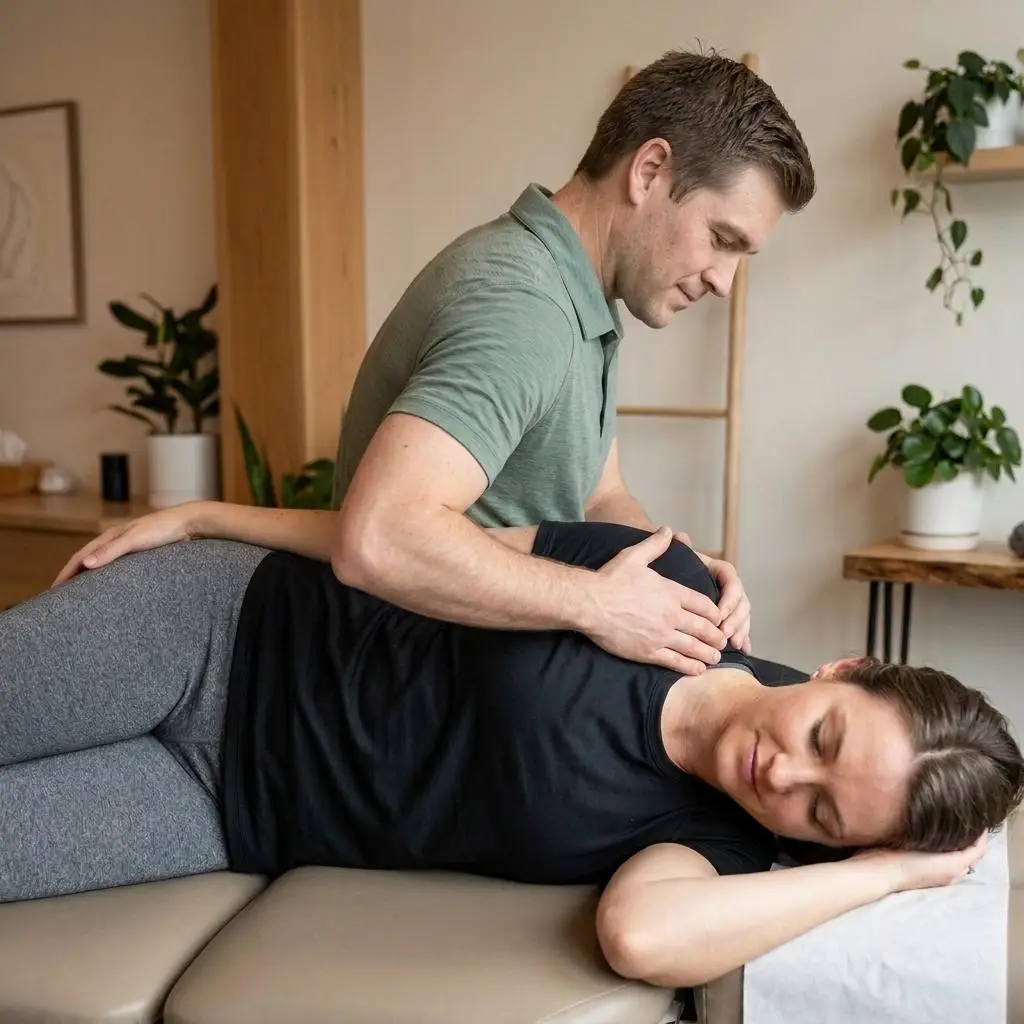
How Myofascial Release Fits Into Your Physiotherapy Plan
At Maximum Potential Physiotherapy in Calgary, myofascial release is rarely used on its own. It works best when combined thoughtfully with other physiotherapy approaches that address the underlying movement patterns, strength deficits, and habits that contribute to tissue tension in the first place.
Depending on your assessment findings, your individualized treatment plan may also include:
- Joint mobilization or manipulation to restore movement in restricted joints
- Individualized exercise therapy targeting strength, flexibility, and movement control
- Education about posture, ergonomics, and how your daily habits affect your symptoms
- Pacing strategies, return-to-sport planning, or workplace modification guidance
- Other manual therapy techniques such as IMS, cupping therapy, or acupuncture where indicated
By combining myofascial release with these complementary strategies, your physiotherapist works toward improvements that hold up in daily life — not just temporary relief during a session. Your plan is always built around your specific goals, activities, and recovery timeline.
Insurance and Direct Billing in Calgary
Myofascial release at Maximum Potential Physiotherapy is delivered within a standard physiotherapy appointment rather than as a separately billed service. This means coverage through your extended health benefit plan typically falls under your physiotherapy benefits — which many Alberta plans include.
We offer direct billing to a number of insurance providers, which can simplify the process of accessing your benefits. We also work with patients covered under WCB and Motor Vehicle Accident (MVA) claims.
To find out about direct billing availability, session types, and how your specific benefits may apply, contact our Calgary clinic or visit our online booking page. Our administrative team is happy to help you navigate your coverage before your first appointment.
Meet the Team Providing Myofascial Release in Calgary
Our physiotherapists and registered massage therapists bring a range of clinical backgrounds and continuing education to their practice. Myofascial release is provided within a rehabilitation-focused framework — always paired with assessment, exercise guidance, and patient education to support meaningful, lasting progress.

Vivian Overton
Vivian graduated with a Master’s of Science in Physical Therapy from Queen’s University in 2010. She moved to Calgary and has worked in private practice since she graduated and has been at Maximum Potential since 2013. Vivian has a large focus on assessing and treating the body as a whole. She has advanced training in […]

Matt Wylie
Matt graduated with a Master’s of Science in Physical Therapy from the University of Alberta after completing an undergraduate degree in kinesiology at the University of Calgary. Originally from the Okanagan, Matt was drawn to the mountains in Alberta to pursue competitive cross-country skiing, staying in Alberta to pursue his education. Matt grew up playing […]

Nishia
Nishia is a Registered Massage Therapist who graduated from CDI College in 2007, with a deep passion for helping people feel their best in their bodies. Over the years, she has continued to expand her knowledge and skills, always striving to learn new techniques that support healing and long-term wellness. Her training includes specialized work […]

January Muhlbeier
On Maternity Leave January graduated from University of Alberta with a Bachelor of Physical Education. After a year working as a kinesiologist, she completed her Masters of Science in Physical Therapy from McMaster University in 2013. Having realized that being able to see and experience the mountains were an integral part of her well-being, she […]

Joe Kristoffersen
Joe grew up in Williams Lake, a small city in the heart of the Cariboo Chilcotin Interior of British Columbia. There Joe had the opportunity to grow up in the outdoors of the Wild West where most of his childhood was spent outside enjoying various activities such as hiking, camping, hunting, fishing, skiing, trail running […]
Dive Deeper: Featured Blog Posts
Discover valuable perspectives and the newest advancements in physiotherapy care.

Understanding Progress in Physiotherapy for Knee Arthritis: A Step-by-Step Guide
Understanding Progress in Physiotherapy for Knee Arthritis: A Step-by-Step Guide TL;DR Progress in physiotherapy for knee arthritis follows three distinct stages: initial pain reduction and joint protection (weeks 1-4), gradual mobility improvement and strengthening (weeks 5-12), and long-term function maintenance (ongoing). Each stage builds systematically on the previous one, with measurable improvements in pain levels, […]

Understanding How Physiotherapy Aids Daily Movements: Walking, Lifting, and Sitting
A Comprehensive Guide to Your Massage Session Process in Calgary NW Everyday tasks like walking to your car, lifting groceries, or sitting through a work meeting seem simple-until pain or limited mobility turns them into daily challenges. Whether you’re recovering from an injury or managing a chronic condition, when your movement is restricted, your independence […]
Consistency in Physiotherapy: Building Habits for Sustainable Recovery
Consistency in Physiotherapy: Building Habits for Sustainable Recovery Why Building Habits Matters in Physiotherapy Recovering from injury or managing chronic conditions takes more than showing up for appointments. It takes commitment. When you establish lasting habits in physiotherapy-attending sessions consistently and doing your prescribed exercises at home-you support real, sustainable recovery. The body thrives on […]
Frequently Asked Questions — Myofascial Release in Calgary
Areas We Serve in Calgary
Maximum Potential Physiotherapy is conveniently located at 1620 29 St NW #125, Calgary, AB T2N 4L7, with free validated parking available. We welcome patients from across the city and surrounding communities, including:
1620 29 St NW #125, Calgary, AB T2N 4L7 | Free Validated Parking | Direct Billing Available
Book Myofascial Release in Calgary, Alberta
If muscle tightness, persistent pain, or limited mobility is holding you back from the activities you value, myofascial release at Maximum Potential Physiotherapy may be part of an effective path forward. Our Calgary team is open Monday to Friday, 7am–8:30pm, with same-day appointments that may be available.