
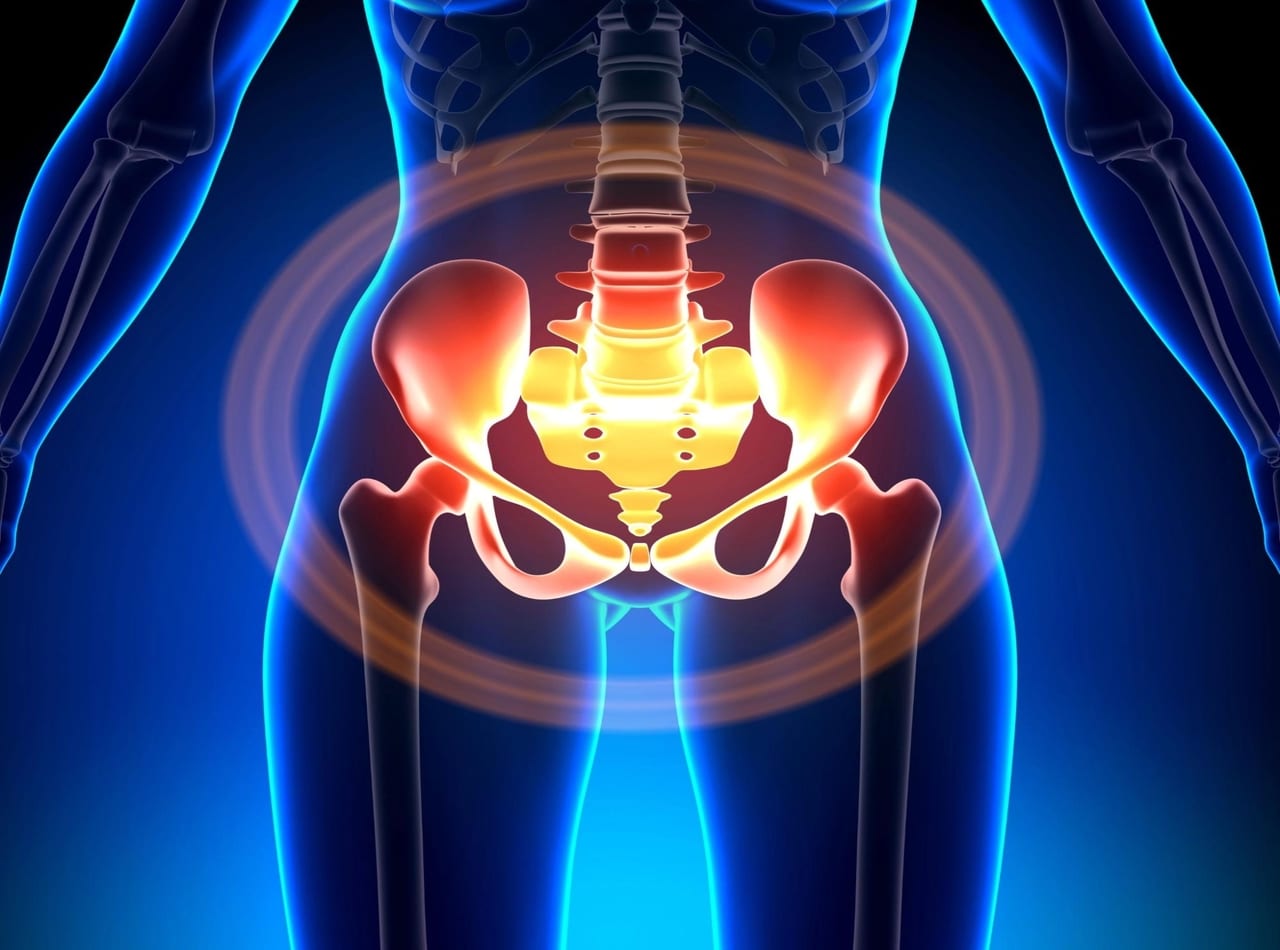
Is Your Core Telling You Something Is Off?
If you have been pushing through workouts, managing low back pain, or simply feeling like your body has not come back together postpartum — you are not imagining it. Diastasis recti is remarkably common and remarkably under-addressed. These physical signs are what many Calgary patients describe when they look for core separation relief:
- A persistent feeling that you have no core strength — even when you are exercising regularly
- Lower back pain or pelvic heaviness that builds throughout the day and steadily worsens by evening
- Leaking urine when you sneeze, jump, or try to return to running — even occasionally
If any of this sounds familiar, our focused pelvic floor rehabilitation can help address these symptoms directly.
How Does Pelvic Floor Rehabilitation Treat Diastasis Recti?
Pelvic floor rehabilitation for diastasis recti goes well beyond the generic advice to avoid crunches and "wait for it to close." The approach is neuromuscular — retraining the deep core and pelvic floor to function together as an integrated system. When the linea alba loses functional tension, the entire core-pelvic floor relationship can be disrupted. Rehabilitation works to support connective tissue strength and coordination, rather than simply measuring a gap.
A key focus is on managing intra-abdominal pressure — the continuous force your body generates during everyday movements like lifting, getting off the gym floor, or bracing for impact. Through targeted breathwork and progressive load-bearing exercises, January guides you through functional strategies that work to rebuild deep core stability from the inside out, using real-time tactile feedback to help ensure every abdominal movement supports your recovery.
Rather than applying a standard template, each session addresses your unique symptoms and physical goals. The aim is functional tension in the linea alba, improved core-pelvic floor coordination, and a progressive return to your preferred activities across Calgary.
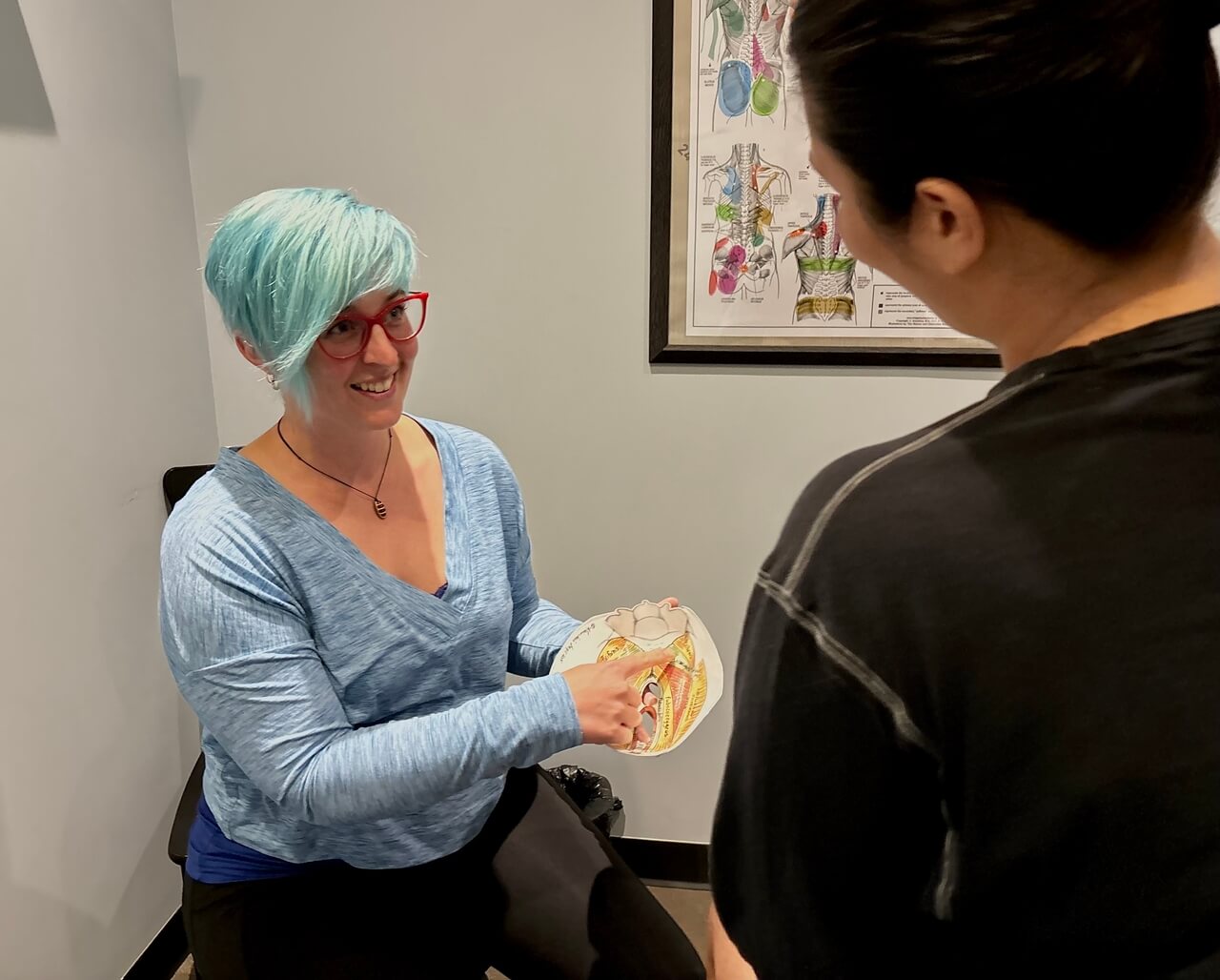
What Should You Expect from Your Recovery Journey?
Stage | What Happens | Timeframe |
Initial Assessment | Your care begins with a detailed health history — your current symptoms, mechanical challenges, and specific recovery goals. January evaluates the linea alba externally for gap width and depth, while reviewing your breathing mechanics. An internal pelvic floor examination is offered as an optional, consent-based component providing a clearer picture of your core-pelvic connectivity. Nothing ever proceeds without your explicit agreement. | First appointment |
Treatment Sessions | Every session is individualized — progressing from foundational breathwork to load-bearing exercises tailored to your daily Calgary lifestyle and fitness objectives. January uses real-time tactile feedback to help support proper intra-abdominal pressure management, working to reduce the risk of accidentally working against your muscular recovery. | Weekly or bi-weekly |
Timeline | Many patients report meaningful functional improvements in back pain and core activation within 6 to 8 sessions. A full pelvic floor rehabilitation program — including working toward clearance to return to running, lifting, or high-impact sport — typically spans 12 to 16 weeks of committed care and consistent home exercise. | Varies by individual |
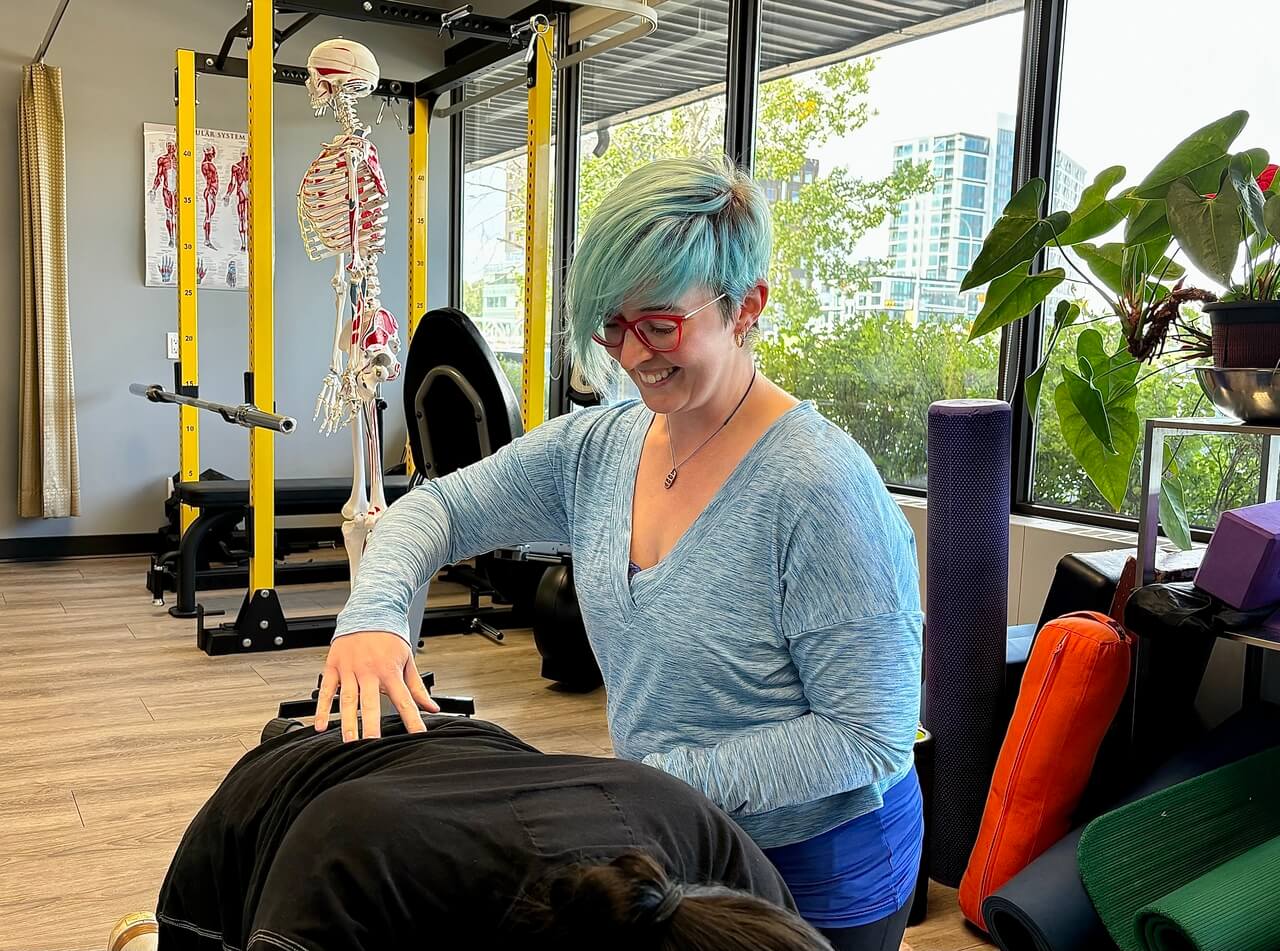
How Does Physiotherapy Compare to Other Treatment Options?
If you have been researching diastasis recti treatment in Calgary, you have likely encountered multiple approaches. This breakdown provides an honest comparison — so you can make informed choices about your abdominal rehabilitation.
| Approach | What It Offers | What to Consider |
| Pelvic Floor Rehabilitation | Individualized neuromuscular retraining of the deep core muscles and pelvic floor; works to address both the physical gap and co-occurring symptoms like incontinence and lower back pain. | Often recommended as a first-line conservative approach; requires a personal commitment to attending sessions and maintaining home exercise routines. |
| Surgical Repair (Abdominoplasty) | Physically sutures and repairs the abdominal wall structure and stretched connective tissue. | May not address underlying pelvic floor muscle weakness — rehabilitation is often still recommended post-surgery; some guidelines suggest considering conservative care first. |
| Online DR Programs (e.g., MUTU, Every Mother) | Structured abdominal exercise progressions accessible from home. | May not assess your specific intra-abdominal pressure, provide real-time movement correction, or evaluate co-occurring pelvic floor dysfunction; physical results vary widely. |
| General Physiotherapy or Personal Training | Broad physical strength conditioning and general movement support. | Without specific pelvic floor training, some generic exercises may unintentionally increase abdominal pressure, which can affect underlying separation symptoms. |
Every person's baseline is unique. The objective is not to discourage particular choices, but to help you understand what each genuinely addresses.
Our Pelvic Floor Rehabilitation Service in Calgary
If you are ready to move beyond managing daily symptoms and toward improved core function, we would love to walk you through our approach at our Calgary NW clinic. January brings advanced training in pelvic floor rehabilitation and a patient-first philosophy that puts your specific goals — not a rigid generic template — at the very center of your therapeutic care.
To learn more about what pelvic floor rehabilitation at Maximum Potential Physiotherapy looks like, and how our approach can support your recovery from diastasis recti, we invite you to explore our practice or reach out to schedule an assessment.
Why Patients in Calgary Trust Us for Diastasis Recti Rehabilitation
Choosing where to seek dedicated care for your diastasis recti is a decision worth taking seriously — and we handle your recovery with that same gravity. Here is what sets our clinic apart:
Frequently Asked Questions About Diastasis Recti Treatment
Insurance and Direct Billing for Pelvic Floor Rehabilitation in Calgary
While physiotherapy is not covered by the Alberta Health Care Insurance Plan (AHCIP), the majority of extended employer health benefit plans — including Blue Cross, Sun Life, Manulife, and Great-West Life — provide robust coverage for physiotherapy services. Maximum Potential Physiotherapy offers direct billing, meaning you can focus completely on your physical recovery rather than managing tedious paperwork. Please contact our Calgary NW clinic to verify your plan before arriving.
Serving Calgary NW and Surrounding Alberta Communities
Maximum Potential Physiotherapy is proudly located in Calgary NW, welcoming patients from across the city and surrounding regions. Whether you commute locally from northwest neighborhoods or travel from communities like Airdrie, Cochrane, or Chestermere, our accessible clinic is prepared to support your core recovery. If you need dedicated pelvic floor rehabilitation for diastasis recti close to home, our highly individualized care is ready for you.
Ready to Get Your Core Back?
You have been patient with your body long enough. January is completely prepared to work alongside you — steadily advancing at your pace, entirely focused on your life goals. Book your pelvic floor rehabilitation assessment online at maximumpotentialphysio.ca and take the first step toward improved core function today.