
Does Your Foot Pain Sound Like This?
Tarsal tunnel syndrome is frequently mistaken for plantar fasciitis — which means many people spend months pursuing an approach that may not fit their situation in Calgary, Alberta. If the description below feels familiar, you may benefit from a thorough evaluation rather than another round of generic foot stretches.
- Persistent burning, tingling, or "pins and needles" running along your arch, heel, and into your toes
- Foot pain that builds throughout the day with prolonged standing or walking, and worsens in hard-soled or rigid footwear
- A heavy, weak feeling in the foot that makes ordinary walking challenging and affects your gait and balance
- Nighttime tingling or numbness that wakes you up or prevents restful sleep
- Symptoms that have not responded to plantar fasciitis treatments — stretching, orthotics, or night splints — even after months of trying
How Does Physiotherapy Help with Tarsal Tunnel Syndrome?
Tarsal tunnel syndrome is a nerve entrapment condition — the tibial nerve is compressed or irritated as it passes through the tarsal tunnel on the inside of your ankle. Physiotherapy aims to address that mechanical reality directly, and generic ankle strengthening alone often falls short. Physiotherapy for tarsal tunnel syndrome uses techniques specifically chosen to help reduce nerve irritation at its source.
The cornerstone of care is neurodynamic mobilization — often called nerve gliding. These guided clinical exercises encourage the tibial nerve to move smoothly through the tarsal tunnel without friction, working to reduce the sensitivity driving your burning and tingling sensations. Simultaneously, hands-on soft-tissue mobilization around the medial ankle helps release the muscular and fascial tension adding compressive load on the nerve.
Because nerve compression rarely exists in isolation, your Calgary, Alberta physiotherapist assesses and addresses the biomechanical contributors — like overpronation, intrinsic foot muscle weakness, or altered gait patterns placing repeated stress on the tarsal tunnel. Addressing these underlying factors can support more lasting relief rather than a temporary reduction in symptoms.

What Should You Expect from Physiotherapy Treatment?
| Stage | What Happens | Typical Timeframe |
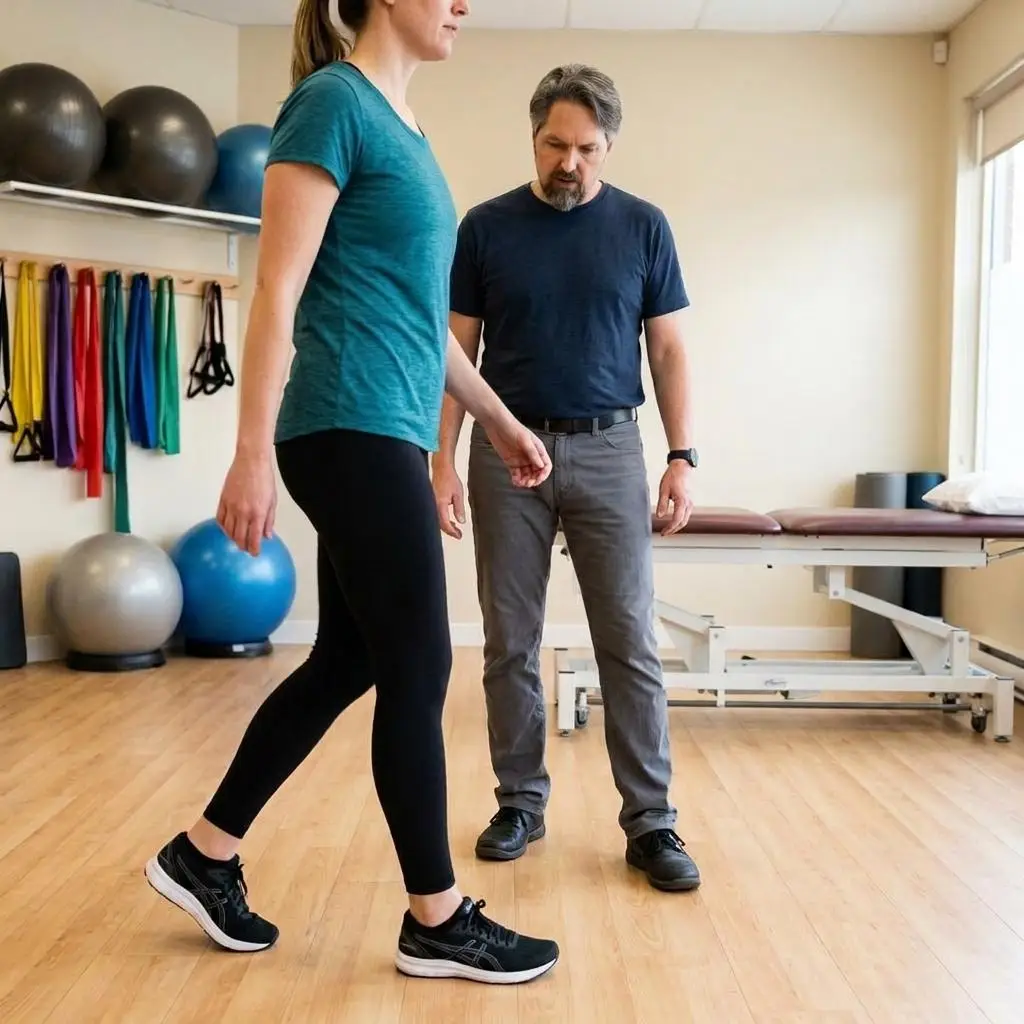
| Initial Assessment | A comprehensive evaluation of your symptoms, history, and daily physical demands. Your physiotherapist performs specific neural tension tests, analyzes your gait, and assesses foot biomechanics — helping distinguish tarsal tunnel from plantar fasciitis. You will leave with a clearer understanding of the factors that may be contributing to your tibial nerve compression. | 60 minutes (first visit) |
| Treatment Sessions | Each session is tailored to your recovery stage. Expect hands-on manual therapy to help release tissue tension around the ankle, guided nerve-gliding exercises, progressive lower-leg strengthening, and practical education on footwear. You will always leave with tools to continue progressing between your clinic appointments. | 45–60 minutes per session (typically 4–8 sessions) |
| Recovery Timeline | Nerves take time to settle. Many patients begin noticing gradual reductions in burning and tingling within 4–6 weeks of consistent therapy. A full program addressing the underlying mechanical contributors typically spans 8–12 weeks, depending on symptom severity and chronicity. Individual progress varies. | 4–12 weeks (range) |

Is Physiotherapy or Surgery Right for Tarsal Tunnel Syndrome?
If you have been researching tarsal tunnel syndrome in Calgary, Alberta, you have likely encountered several approaches. It is helpful to understand where each one may fit into your recovery journey.
Treatment Option | What It Does | Key Consideration |
Physiotherapy | Targets the biomechanical and neuromuscular factors compressing the tibial nerve through nerve mobilization, soft-tissue work, and gait retraining. | Evidence-supported first-line conservative approach; aims to address contributing factors of entrapment, not just manage symptoms. |
Corticosteroid Injection | Reduces local inflammation around the nerve, which can provide meaningful short-term relief for foot pain. | May not address underlying mechanical contributors; relief may be temporary without also addressing gait or tissue tension. |
Surgical Release | Decompresses the tarsal tunnel by surgically releasing the flexor retinaculum under anesthesia. | Typically considered after conservative options have been explored; carries standard surgical risks and recovery downtime. |
OTC Medication / Rest | Anti-inflammatories and physical rest can help quiet acute flare-ups and temporary nerve irritation. | May not be sufficient on its own for ongoing nerve entrapment, and does not address the structural or biomechanical drivers of the condition. |
No single option is inherently right or wrong for everyone. Many clinical guidelines suggest considering conservative physiotherapy before progressing to more invasive interventions.
Nerve-Specific Physiotherapy at Maximum Potential
Addressing tarsal tunnel syndrome well often requires more than a general foot rehabilitation program — it benefits from a trained physiotherapy team that understands tibial nerve entrapment and builds a plan around your specific biomechanics, symptoms, and lifestyle. That is exactly the targeted care our Calgary clinic provides.
If you are ready to explore what focused care can do for your foot pain, learn more about our physiotherapy service in Calgary NW — including our comprehensive approach to assessment, nerve treatment, and helping you move confidently again.
Why Patients Choose Maximum Potential Physiotherapy for Foot Nerve Pain
Tarsal tunnel syndrome is one of the more commonly mismanaged foot conditions. We know that many patients in Calgary, Alberta, who come to our clinic have already experienced frustrating dead ends. Here is what our experienced team brings to your care:
Patient Experiences
Hearing from patients who have walked a similar path can be reassuring when deciding whether targeted physiotherapy is the right step for your foot nerve pain. Here are a few experiences from individuals we have had the privilege of caring for in Calgary:
Your Questions About Tarsal Tunnel Syndrome Physiotherapy, Answered
Insurance and Direct Billing for Physiotherapy in Calgary
We offer direct billing to most major insurance providers, meaning you are not out of pocket while waiting for reimbursement. Physiotherapy for tarsal tunnel syndrome falls under standard coverage for the majority of extended health benefit plans — a common benefit for professionals in Calgary's energy, engineering, trades, and public sectors. Same-day appointments are also available when you are ready to begin treatment. We recommend confirming your specific annual limits and per-visit coverage directly with your insurance provider.
Serving Calgary and Surrounding Communities
Maximum Potential Physiotherapy is located in Calgary NW and proudly serves patients from across the city and surrounding Alberta areas — including Bowness, Varsity, Dalhousie, Ranchlands, and communities throughout northwest and north Calgary. If you are dealing with tarsal tunnel foot nerve pain and seeking experienced physiotherapy care, our clinic is easily accessible.
Ready to Address Your Foot Pain? Book Today.
You do not have to keep managing burning, tingling, and foot pain on your own. Maximum Potential Physiotherapy is ready to provide a thorough, nerve-specific assessment and a treatment plan built around your recovery from tarsal tunnel syndrome in Calgary. Same-day appointments are available.
Book your appointment online or call us today to take a meaningful step toward moving freely again.