
A Comprehensive Guide to Your Massage Session Process in Calgary NW
If you're new to massage therapy, you're probably asking yourself a simple but important question: What actually happens before, during, and after a massage session?
We get it. Whether you're looking for pain relief, stress reduction, or better mobility, understanding what to expect can make you feel more confident walking into your first appointment. At Maximum Potential Physiotherapy, our approach is built on clinical expertise and personal care. This guide walks you through the full massage session process at our Calgary NW clinic from preparation to aftercare—so you can feel informed, relaxed, and supported every step of the way.
What to Expect When Preparing for Your First Massage
Choose the Right Therapist and Clinic
Your results start with the right provider. Look for a licensed therapist who works in a clinical setting that values assessment, communication, and individualized care—like our massage therapy services in Calgary NW. A multidisciplinary clinic also allows for collaboration between your massage therapist and other providers like physiotherapists or chiropractors.
How to Prepare Your Body
Stay hydrated before your session and avoid large meals immediately beforehand. Come as you are—no special grooming required. If you're experiencing specific discomfort, bring notes or pain location details so your therapist can tailor your treatment.
What to Wear and What to Bring
- Wear loose, comfortable clothing.
- Bring any relevant medical documentation or a list of current medications.
- If you're using insurance or direct billing, bring those details with you as well.
During the Massage: Techniques and Processes
Massage Therapy Techniques You Might Experience
Your session will depend on your goals and comfort level. Common modalities include:
| Technique | Purpose |
| Swedish Massage | Promotes relaxation and increases circulation |
| Deep Tissue Massage | Targets chronic tension and muscle knots |
| Trigger Point Therapy | Relieves specific points of tightness and referred pain |
Each style serves a clinical purpose. For example, deep tissue work can be effective for injury recovery or chronic back pain. We've explained more about this on our types of massage therapy page.
Why Communication Matters
Massage is a collaborative experience. Your therapist will check in with you about pressure, comfort, and any areas you'd like avoided. Speak up if anything feels uncomfortable. According to the Stark State College Clinic, ongoing feedback allows your therapist to make immediate adjustments for optimal results.
Your Session Environment
You’ll be in a private treatment room with controlled lighting and calming music. The table will be padded and heated depending on your needs. Only the area being treated will be exposed, and professional draping ensures complete privacy and modesty throughout.
After the Massage: Recovery and Aftercare Tips
What to Expect Immediately After
You might feel deeply relaxed or slightly sore, depending on the intensity of the session. This is normal. Allow yourself time to rest and rehydrate. According to the National Institutes of Health, massage helps reduce pain and inflammation by modulating muscle tone and improving circulation, which can trigger mild tenderness during recovery as tissues realign.
What to Avoid After a Massage
- Heavy exercise or strenuous activity for 24 hours
- Caffeine or alcohol, which can dehydrate the body
- Skipping meals—nourishing your body supports recovery
Consistency Supports Long-Term Results
One massage might help you feel better right away, but long-term change depends on regular sessions. A consistent schedule helps improve circulation, mobility, and recovery. If you're dealing with chronic pain or injury, read more about when to see a massage therapist and how it fits within a long-term plan.
The Personalized Experience: Tailoring Your Session
Your Preferences Guide the Plan
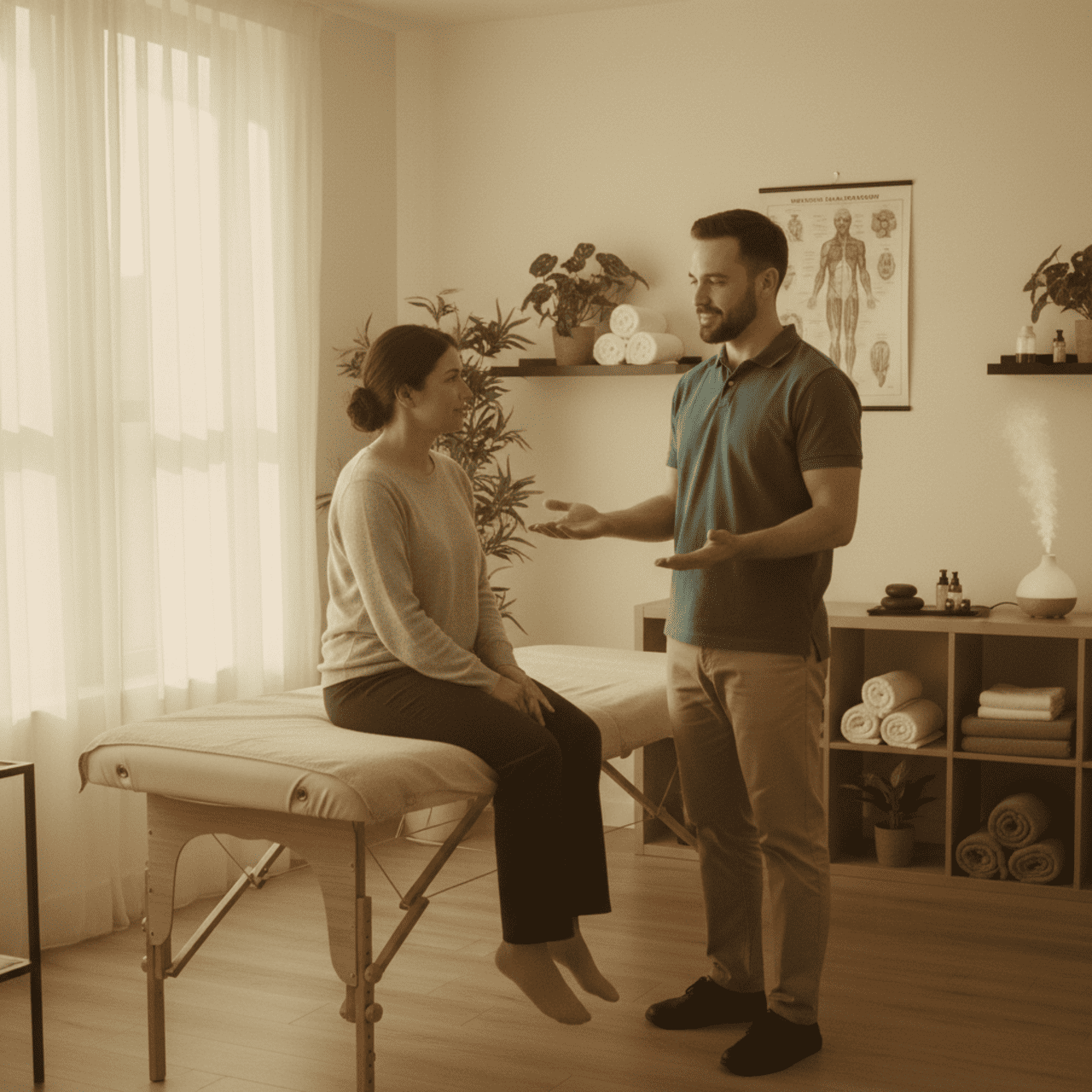
Before your session starts, your therapist will ask about your goals, medical history, and comfort levels. If you’re sensitive to deep pressure, prefer a focus on specific areas, or want to avoid certain techniques, this discussion helps shape your care plan.
Customizing Focus and Pressure
No two bodies are the same. We’ll adjust pressure, pace, and technique to fit your tolerance and therapeutic needs. This means increased comfort and better outcomes.
Ongoing Feedback Improves Results
We welcome your feedback at the end of every session. It helps inform future appointments and ensures that each treatment feels safe, relaxing, and effective. If you want to go deeper into customizing your massage plan, visit our guide to personalized massage therapy.
The Multidisciplinary Approach to Massage Therapy in Calgary NW
Massage as Part of Your Wellness Strategy
Massage works best when it’s part of a total care plan. Whether you're recovering from surgery, managing a chronic condition, or improving athletic performance, our team tailors your treatment fit within a broader strategy built for long-term results.
Working with Other Health Professionals
At Maximum Potential Physiotherapy, we coordinate care between massage therapists, physiotherapists, and other rehab professionals. This integration ensures that every aspect of your healing is supported by the right modality at the right time.
What Sets a Patient-Centred Clinic Apart
We don’t rush appointments. We listen first, treat second. When your therapist understands your daily life and long-term goals, they deliver more than temporary relief—they help you move better, feel stronger, and return to daily activities with confidence.
Start Your Personalized Massage Therapy Journey Today
If you're ready for a structured and supportive approach to healing, we're here to help. Maximum Potential Physiotherapy offers personalized massage therapy in Calgary NW with a focus on expert care and real results. Schedule your session today, and experience the difference that evidence-based, compassionate care can make for your health.
Common Questions About Massage Therapy
What should I do if I feel pain during my massage session?
Let your therapist know immediately. Some discomfort during deep tissue work can be expected, but sharp or persistent pain is not. Your therapist will adjust the pressure or technique accordingly to ensure a safe and effective treatment.
How often should I get a massage?
Frequency depends on your goals. For stress relief or general wellness, once a month may be enough. For injury recovery or chronic conditions, weekly or biweekly sessions might be recommended. Your therapist will help build a schedule that fits your needs and lifestyle.
Can massage therapy help with specific health conditions?
Yes. Massage can support treatment for issues like chronic pain, sports injuries, fibromyalgia, and postural imbalances. It should be part of a broader treatment plan built around your condition and goals, often in collaboration with other healthcare providers.
