
A Comprehensive Guide to Your Massage Session Process in Calgary NW

Everyday tasks like walking to your car, lifting groceries, or sitting through a work meeting seem simple—until pain or limited mobility turns them into daily challenges. Whether you're recovering from an injury or managing a chronic condition, when your movement is restricted, your independence is too.
Physiotherapy is about more than treating pain. It’s about helping you move better in the places that matter most—your home, your workplace, your life. At Maximum Potential Physiotherapy, our team focuses on root-cause diagnosis and personalized treatment plans that restore real-world movement and function.
In this article, we’ll explore how physiotherapy for daily activities Calgary NW supports better walking, lifting, and sitting techniques. The goal is always the same: help you move through your day with less pain, more control, and stronger confidence.
The Role of Physiotherapy in Enhancing Walking Techniques
Walking is fundamental—but easy to take for granted until discomfort or instability makes each step harder. If you struggle with balance, joint pain, or fatigue during short walks, treatment needs to start with understanding how your body moves.
Gait Assessments that Target Biomechanical Imbalances
A physiotherapist begins with a biomechanical examination of your gait—how your hips, knees, ankles, and feet work together while walking. This isn’t guesswork. It relies on clinical movement observation, sometimes supported by video gait analysis, to identify issues like favoring one leg, altered foot strike, or reduced stride length.
Exercises to Build Strength, Coordination, and Stability
Once movement patterns are assessed, a personalized plan focuses on restoring strength in key muscle groups, including:
- Hip stabilizers and glutes
- Quadriceps and hamstrings
- Calf muscles and ankle support
Therapists also train neuromuscular control, helping your body relearn more efficient walking. This is backed by the National Institutes of Health, which found structured rehabilitation can improve mobility and reduce fall risk in adults with chronic movement issues.
Lifting with Ease: How Physiotherapy Can Help
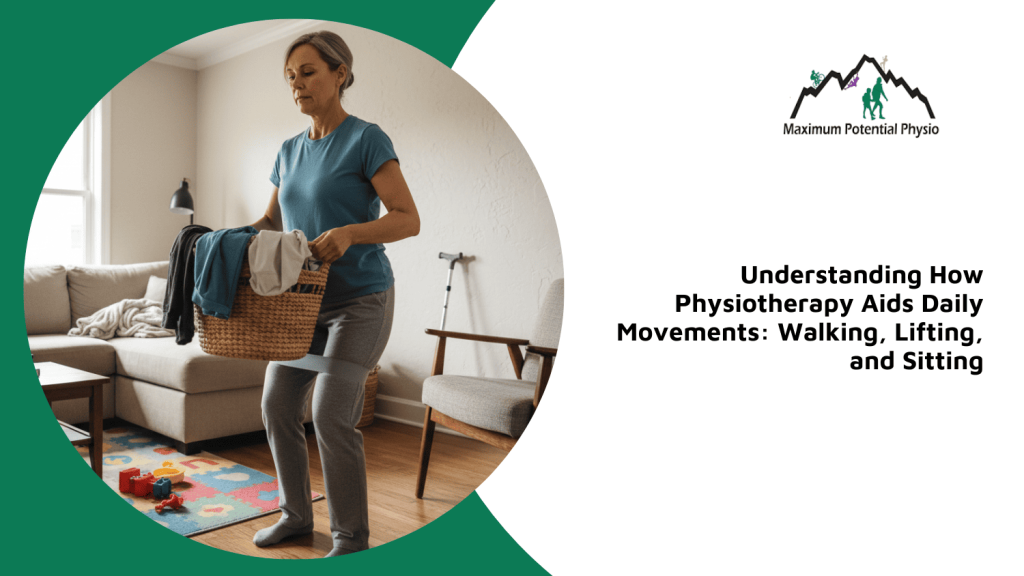
For many people, lifting a laundry basket or picking up a child can strain the back, shoulders, or core. Improper technique or weak muscles are often to blame. Physiotherapy builds injury-resistant function by retraining movement and rebuilding stability.
Core Strength is the Foundation
Safe lifting starts with a strong core—not just abs, but the deep stabilizers of your spine and pelvis. Without this foundation, you're more likely to overload the lower back or strain supporting joints.
Better Technique through Retraining
Physiotherapy teaches proper motor patterns for lifting, based on your unique body mechanics. Your program may include:
- Hip hinge technique drills
- Bracing strategies to protect the spine
- Flexibility work for hamstrings and thoracic spine
Well-targeted therapies result in smoother, more confident movements. At our clinic, Calgary NW physiotherapy services are designed to directly reflect your lifestyle—whether you’re lifting kids or training in the gym.
Sitting Comfortably: Physiotherapy Strategies for Posture Correction
Many people spend hours each day in front of a screen or behind a wheel. Over time, poor posture and unsupported sitting positions create tension, fatigue, and pain—especially in the neck, shoulders, and lower back.
Understanding the Posture-Pain Connection
Sitting isn’t inherently harmful, but how you sit makes a difference. Slumping shifts weight forward, compressing discs and straining spinal muscles. The Centers for Disease Control and Prevention (CDC) recommends strengthening and stretching strategies to improve postural alignment and comfort.
Practical Physiotherapy Strategies
We provide guided training in:
- Seated lumbar support techniques
- Desk modifications to reduce neck and wrist strain
- Stretching protocols to offset prolonged sitting
We also offer long-term routines for work-from-home professionals. If you’re exploring posture-friendly solutions, our article on working from home with back pain outlines daily strategies for spinal health and pain prevention.
Consistent Physiotherapy for Functional Progress
Progress in physiotherapy requires consistent, tailored care. One session won’t change a lifetime movement pattern. But week-by-week, your body adapts, coordination improves, and your confidence in daily tasks grows.
Physiotherapy is a Partnership
You and your physiotherapist work together to track your progress and adjust your plan. That means aligning treatment not just to your symptoms, but to your goals—whether those are an active job, injury prevention, or aging with independence.
Our approach reflects World Health Organization guidelines that highlight functional rehabilitation as a cornerstone of musculoskeletal care. Exercise, education, and patient engagement are crucial for long-term health.
Personalized Care: Tailoring Physiotherapy to Your Daily Routine
No two people move the same way. That’s why targeted care always starts with a full assessment. We look at strength, joint range, posture, past injuries, and your daily movement demands.
From there, we design a rehabilitation plan that makes sense for your life. Flat feet? We adjust your gait retraining. Sedentary job? We integrate ergonomic strategies. Your care will match your pace, goals, and challenges.
| Task | Common Issues | Physiotherapy Focus |
| Walking | Instability, joint pain, fatigue | Gait analysis, leg strength, coordination |
| Lifting | Back strain, poor form | Core training, movement retraining |
| Sitting | Neck/back pain, slouching | Posture correction, ergonomic coaching |
Ready to Move Better in Daily Life?
If everyday movement feels harder than it should, we’re here to help. At Maximum Potential Physiotherapy, we build treatment plans that support long-term function, not quick fixes. Our therapists understand how pain limits your life—and how the right care can restore confidence in everything you do.
Whether you want to walk farther, lift without hesitation, or sit more comfortably, we’ll guide you there. Reach out today to learn how personalized physiotherapy services in Calgary NW can support your daily movement goals.
Frequently Asked Questions
How can physiotherapy improve my daily life?
Physiotherapy enhances how your body moves during everyday tasks. Through strengthening exercises, movement retraining, and pain management, physiotherapy helps restore natural function, improve confidence, and reduce the risk of strain or injury.
Is physiotherapy suitable for all ages?
Yes. Whether you're recovering from surgery, dealing with chronic pain, or looking to stay active as you age, physiotherapy adapts to your current fitness level and functional needs. We work with adults of all ages to improve mobility and preserve independence.
What does a personalized physiotherapy plan look like?
A personalized plan includes a full assessment followed by targeted treatments. This could involve guided exercise, manual therapy, movement cueing, posture training, and education. The plan evolves based on your progress and goals.
