
Understanding Progress in Physiotherapy for Knee Arthritis: A Step-by-Step Guide
TL;DR
Dry needling and acupuncture are distinct needle-based treatments: dry needling targets specific muscle trigger points to release tension and restore function, while acupuncture follows traditional Chinese medicine principles to balance energy flow and support overall wellness. Your choice depends on your specific musculoskeletal concerns and treatment goals.
─────────────────────────────────────────────
When you're dealing with muscle pain or movement restrictions, you've likely heard about needle-based treatments as potential solutions. Both dry needling and acupuncture use thin needles as therapeutic tools, but they approach your health concerns from fundamentally different perspectives.
I want to help you understand these differences clearly so you make an informed choice about which treatment aligns with your recovery goals. We'll explore their origins, techniques, treatment objectives, and what you should expect from each approach.
What Are the Origins and Philosophical Backgrounds?
Acupuncture has its roots in traditional Chinese medicine, dating back thousands of years. This practice views your body as an interconnected system where energy (called "qi") flows through specific pathways. Acupuncture aims to restore balance and promote your body's natural healing processes through strategic needle placement along these energy meridians.
Dry needling emerged from Western physiotherapy and sports medicine within the past few decades. Research shows dry needling developed specifically to address myofascial trigger points, those tight bands of muscle that cause pain and restrict movement. This technique focuses on releasing muscle tension to restore normal function and reduce pain.
These different origins shape how each treatment approaches your condition. Acupuncture considers your overall health and energy balance, while dry needling targets specific anatomical structures causing your symptoms.
How Do the Techniques and Applications Differ?
The needle placement and insertion methods vary significantly between these treatments. Acupuncture uses fine needles inserted at specific depths along predetermined meridian points. Your practitioner typically leaves needles in place for 15-30 minutes, sometimes manipulating them gently to enhance the therapeutic effect.
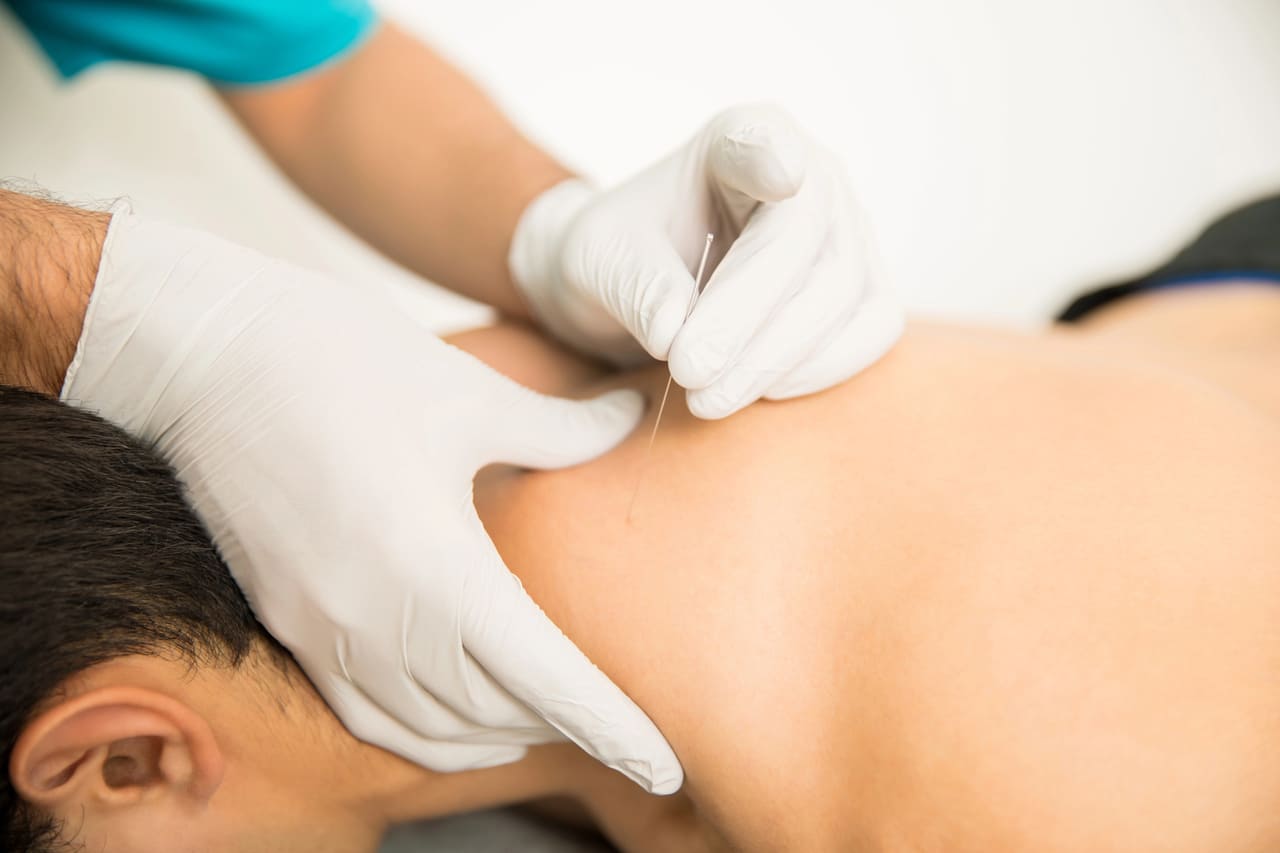
Dry needling targets myofascial trigger points directly. The Mayo Clinic explains that dry needling involves inserting needles into tight muscle bands to elicit a "twitch response" that releases tension. Your practitioner moves the needle more actively and typically keeps it in place for shorter periods.
| Aspect | Acupuncture | Dry Needling |
| Needle Placement | Meridian points | Trigger points |
| Treatment Duration | 15-30 minutes | 1-15 minutes per point |
| Needle Movement | Minimal manipulation | Active manipulation |
| Target Response | Energy balance | Muscle twitch response |
In Calgary NW, physiotherapists who perform dry needling require specific training in anatomy and trigger point identification. Acupuncturists complete different educational pathways focused on traditional Chinese medicine principles.
What Are the Treatment Goals and Expected Outcomes?
Your treatment goals will guide which approach best serves your needs. Acupuncture aims to restore energy balance throughout your body, potentially addressing multiple symptoms simultaneously. Practitioners often incorporate acupuncture into broader wellness plans that may include dietary recommendations, lifestyle changes, and stress management techniques.
Dry needling has more targeted objectives within physiotherapy care. Studies demonstrate that dry needling effectively reduces muscle tension, improves range of motion, and decreases pain from myofascial trigger points. We typically integrate dry needling with other physiotherapy techniques like exercise therapy, manual therapy, and movement retraining.
Your expected outcomes depend on your specific condition and response to treatment. Some people experience immediate relief from muscle tension with dry needling, while others notice gradual improvement over several sessions. Acupuncture often requires multiple sessions to achieve desired balance and wellness goals.
Neither treatment guarantees specific results, and individual responses vary based on factors like your condition severity, overall health, and treatment compliance.
What Should You Expect Regarding Safety, Sensations, and Aftercare?
Both treatments involve needle insertion, so you should understand what sensations to expect. Acupuncture typically produces minimal discomfort, with some people reporting a mild aching or tingling sensation. You might feel deeply relaxed during and after treatment.
Dry needling often produces more noticeable sensations, including the therapeutic muscle twitch response that indicates successful trigger point release. You might experience temporary muscle soreness similar to post-exercise fatigue, which usually resolves within 24-48 hours.
Safety depends on proper practitioner training and sterile needle techniques. Licensed practitioners in Calgary NW follow strict safety protocols, including single-use needles and appropriate infection control measures.
Common aftercare recommendations include staying hydrated, avoiding intense physical activity immediately after treatment, and applying ice if you experience soreness. Your practitioner will provide specific guidance based on your treatment and individual response.
How Do You Choose the Right Needle-Based Treatment?
Your choice should align with your health goals and condition characteristics. Consider dry needling if you have specific muscle pain, trigger points, or movement restrictions that affect your daily activities or athletic performance. This approach works well when integrated with comprehensive physiotherapy care.
Acupuncture might better serve your needs if you're interested in overall wellness support, stress management, or addressing multiple health concerns simultaneously. Some people prefer acupuncture's holistic approach to health and healing.
Your healthcare provider should conduct a thorough assessment before recommending either treatment. We evaluate your symptoms, medical history, treatment goals, and personal preferences to guide our recommendations.
Some treatment plans incorporate both approaches, using dry needling for specific trigger points while employing acupuncture for broader wellness support. Your response to initial treatments helps refine your ongoing care plan.
Key Takeaways
- Dry needling targets specific muscle trigger points to release tension and restore function, while acupuncture aims to balance energy flow according to traditional Chinese medicine principles.
- Dry needling produces a therapeutic muscle twitch response and integrates with physiotherapy care, whereas acupuncture involves longer needle retention with minimal manipulation.
- Your treatment choice should depend on your specific condition, health goals, and preference for targeted muscle treatment versus holistic wellness approaches.
- Both treatments require licensed practitioners and proper safety protocols, with different aftercare considerations and expected sensations.
- Individual results vary for both approaches, and neither treatment guarantees specific outcomes for your condition.
- Comprehensive assessment by a qualified healthcare provider helps determine which needle-based treatment best supports your recovery goals.
Ready to Explore Your Needle-Based Treatment Options?
Choosing between dry needling and acupuncture requires understanding your specific needs and treatment goals. Our team conducts thorough assessments to determine which approach best supports your recovery journey.
At Maximum Potential Physiotherapy, we provide evidence-informed care tailored to your individual needs. We'll discuss your symptoms, evaluate your movement patterns, and explain how different treatment options align with your recovery goals.
Contact us today to schedule your consultation and take the first step toward effective, personalized treatment that addresses the root cause of your concerns.
Frequently Asked Questions
What are the main differences between dry needling and acupuncture?
The main differences lie in their origins, techniques, and treatment goals. Dry needling stems from Western physiotherapy and targets specific muscle trigger points to release tension and restore function. Acupuncture comes from traditional Chinese medicine and aims to balance energy flow throughout your body using predetermined meridian points.
Is dry needling safe for all types of muscle pain?
Dry needling is safe when performed by trained practitioners, but it's not appropriate for all conditions or individuals. Your healthcare provider should evaluate your specific symptoms, medical history, and current health status before recommending dry needling. Certain conditions like bleeding disorders, pregnancy, or immune system compromise may require modified approaches or alternative treatments.
How do I know if acupuncture or dry needling is right for my condition?
The best choice depends on your specific symptoms, treatment goals, and personal preferences. Dry needling works well for localized muscle pain, trigger points, and movement restrictions, especially when integrated with physiotherapy care. Acupuncture might be more suitable if you're seeking overall wellness support or addressing multiple health concerns simultaneously. A comprehensive assessment with a qualified practitioner will help determine the most appropriate approach for your situation.
